Collaborative Research Advancements on the Use of Steel Fibers in Industry
Introduction
In an era where innovation and sustainability are at the forefront of industrial development, the role of materials has never been more critical. Among these materials, steel fibers have emerged as a pivotal component in enhancing the performance and durability of concrete. This article delves into the collaborative research advancements on the use of steel fibers in various industries, highlighting their applicability, benefits, and future potential.
Collaborative Research Advancements on the Use of Steel Fibers in Industry
Collaborative research has significantly propelled our understanding and application of steel fibers across different sectors. Universities, governmental agencies, and private enterprises have come together to explore innovative uses for steel fibers, particularly in concrete reinforcement. The collective effort aims not just to improve structural integrity but also to enhance sustainability through reduced material usage and increased longevity.
Understanding Steel Fibers
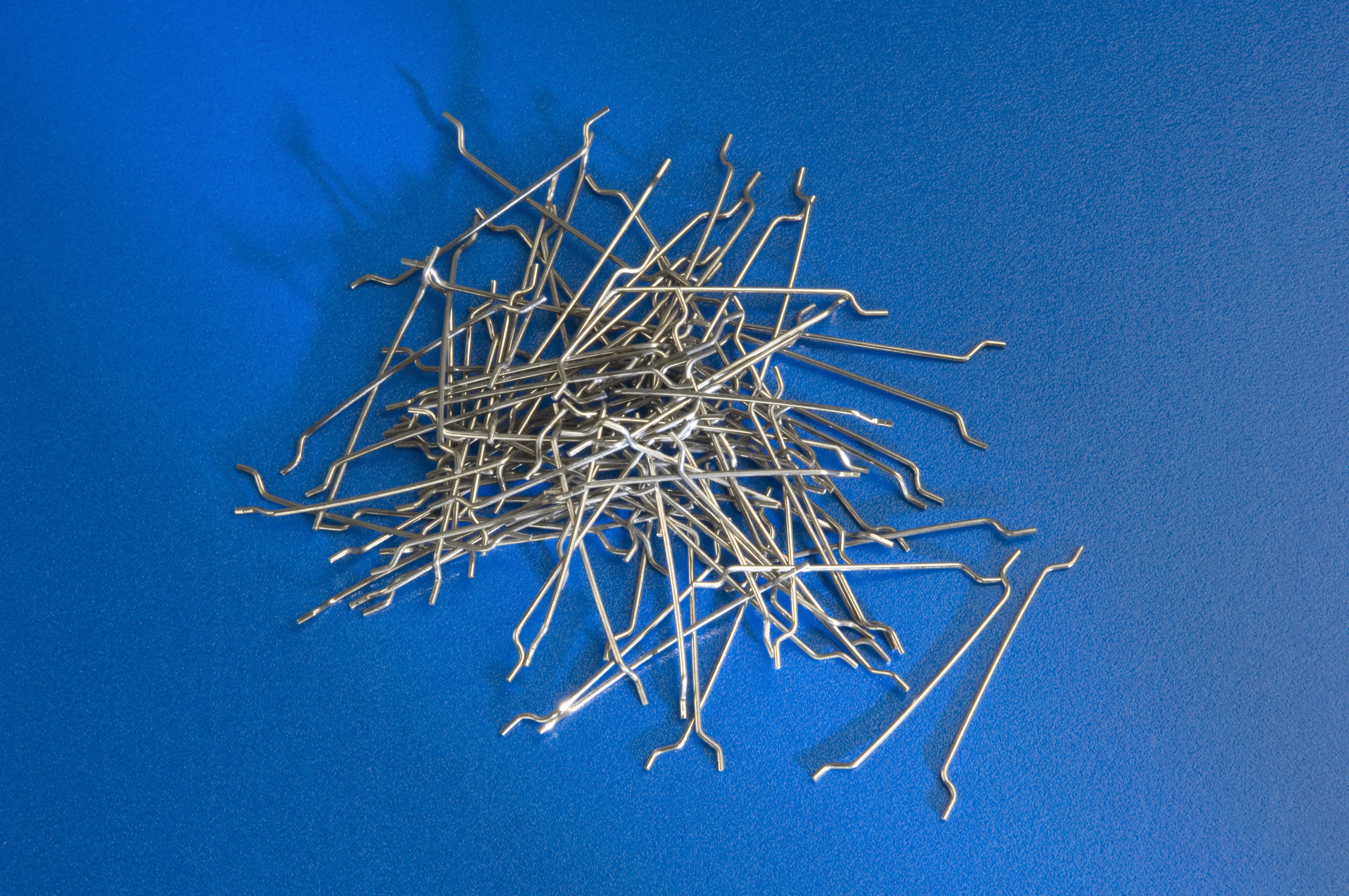
Steel fibers are small pieces of steel that are used to reinforce concrete. These fibers can vary in size, shape, and type depending on their intended application. They work by distributing stress throughout the concrete matrix, thus improving tensile strength and reducing cracking.
Types of Steel Fibers
- Crimped Steel Fibers: Often used in shotcrete applications for their excellent bond characteristics.
- Straight Steel Fibers: Ideal for applications requiring high tensile strength.
- Hooked Steel Fibers: Known for their superior anchorage properties within the concrete matrix.
Benefits of Using Steel Fibers
The incorporation of steel fibers offers numerous advantages:
- Enhanced Durability: Structures reinforced with steel fibers exhibit improved resistance to cracking.
- Cost-Effective Solutions: Reduced need for additional reinforcement materials leads to cost savings.
- Sustainability: Lesser material consumption equates to a lower carbon footprint.
Industrial Applications of Steel Fibers
Steel fibers find diverse applications across multiple industries:
-
Construction Sector
-
Used in pavements, slabs-on-grade, and precast products.
-
Mining Industry
-
Enhances shotcrete performance during tunneling operations.
-
Industrial Flooring
-
Provides robust solutions for high-load environments.
Collaborative Research Initiatives
The academic world has seen an uptick in partnerships aimed at advancing the knowledge surrounding steel fibers. Institutions often collaborate with industry leaders to conduct experiments that yield valuable data on performance metrics.
Case Studies in Collaborative Research
- University X & Company Y: Focused on optimizing the mix design for fiber-reinforced concrete.
- Institute Z: Conducted extensive testing on various fiber types under different load conditions.
Performance Characteristics of Steel Fiber-Reinforced Concrete (SFRC)
Research indicates that SFRC outperforms traditional concrete mixes under various conditions:
| Performance Metric | Traditional Concrete | SFRC | |--------------------|---------------------|------| | Tensile Strength | Low | High | | Crack Resistance | Moderate | Excellent | | Workability | Standard | Enhanced |
Challenges Faced in Implementation
Despite its benefits, several challenges hinder widespread adoption:
- Limited awareness among contractors about utilizing steel fibers effectively.
- Initial costs may deter smaller projects from considering SFRC solutions.
Future Directions in Steel Fiber Research
As we look ahead, ongoing research is expected to delve deeper into:
- Innovative manufacturing techniques for producing cost-effective steel fibers.
- Exploring alternative materials alongside steel fibers for hybrid solutions.
FAQs
Q1: What are steel fibers primarily used for?
Steel fibers are primarily used as reinforcement in concrete to enhance its tensile strength and reduce cracking.
Q2: Are there environmental benefits associated with using steel fibers?
Yes! The use of steel fibers can lead to reduced material consumption Steel Fibers and lower carbon emissions due to enhanced durability.
Q3: How do you determine the right type of steel fiber for a project?
The choice depends on specific project requirements such as load conditions, environmental factors, and desired strength characteristics.
Q4: Can steel fiber-reinforced concrete be recycled?
Absolutely! SFRC can be crushed down similarly to traditional concrete for recycling purposes.
Q5: What industries benefit most from using steel fibers?
Industries like construction, mining, and industrial flooring significantly benefit from using steel fiber reinforcement due to enhanced durability and cost-effectiveness.

Q6: Is there ongoing research related to steel fiber technology?
Yes! Many universities collaborate with industry leaders on Steel Fibres advancing research related to various applications and manufacturing processes for steel fibers.

Conclusion
The collaborative research advancements on the use of steel fibers in industry signify a transformative shift towards more resilient structures that stand up against time's test. As we continue exploring innovative applications and refining manufacturing processes through collaboration between academia and industry professionals, one thing is clear—steel fibers hold immense potential not just as a building material but as a Steel Fibres for Refractories cornerstone for sustainable engineering practices moving forward.
As we tread further into this exciting territory filled with possibilities, embracing these advancements could very well redefine how we approach construction challenges globally. So let’s keep an eye on this evolving field; it’s bound to surprise us!